What Makes a Movie Stand Out When There Are Too Many Options?
In today’s entertainment landscape, the sheer volume of content available through streaming services on mobile devices is staggering. If you’re anything like me, you’ve experienced bouts of choice overload streaming, where the plethora of options feels less like a gift and more like a maze. So what makes a movie truly stand out amidst this flood of titles and thumbnails? How do you navigate passive viewing versus active participation to curate memorable movie nights? Let’s unpack these questions, dig into how mixing and matching entertainment formats can revitalize your viewing habits, and explore tools like reviews for filtering and the crucial roles of story and execution.

The Streaming Era’s Double-Edged Sword: Convenience Meets Choice Overload
Streaming services have revolutionized how we watch movies. Netflix, Disney+, Hulu, HBO Max, Amazon Prime Video, Apple TV+, and countless niche platforms offer a buffet of films at our fingertips. Plus, mobile devices mean snapped-up movies during commutes, lunches, or even while lounging at home. This convenience is undeniable—no longer do you need to visit a video store or schedule around TV air times.
Yet this abundance creates choice overload streaming. When everything is available simultaneously, picking a movie becomes its own challenge. The paradox of choice suggests that more options can result in less satisfaction or even decision paralysis. You begin to wonder: "Is this film worth investing two hours in?" or "Will I like this or regret skipping the next option down the list?"
Passive Viewing vs Active Participation: Why It Matters
One answer lies in how we approach consumption. Passive viewing—plopping on the couch and flipping channels or thumbnails—is a common default. But true nickrise.com enjoyment often demands active participation:
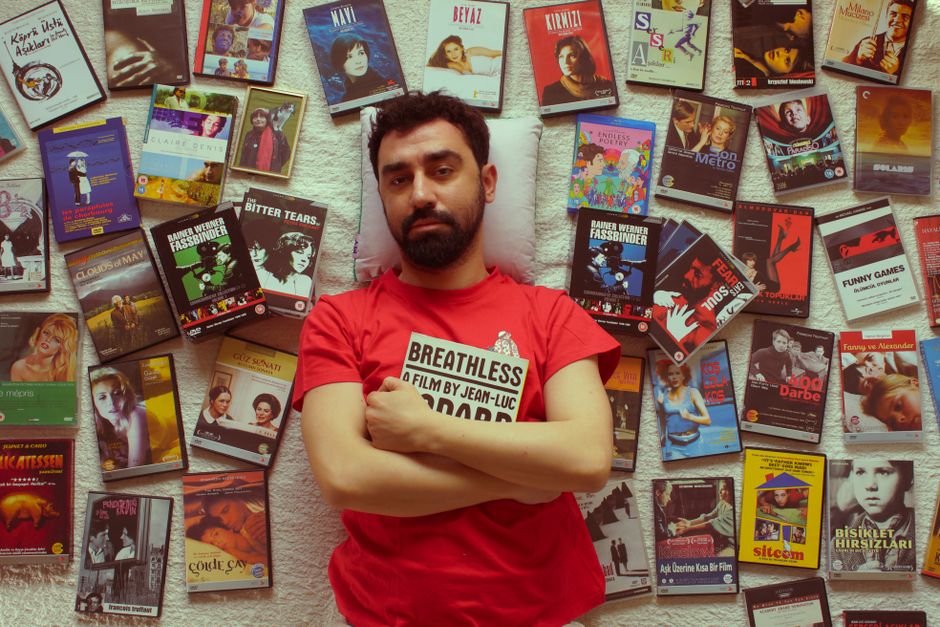
- Setting mood and intention: Instead of random selection, choosing a movie based on particular themes, genres, or interests can heighten engagement.
- Involving others: Sharing picks with friends or family, explaining your choice, or even debating story choices fosters connection and deeper appreciation.
- Reflecting post-viewing: Taking a moment to discuss or jot down thoughts—think of it as informal review-taking—helps cement the experience and build anticipation for better future picks.
Passive viewing leaves you vulnerable to defaulting to whatever’s easiest or shiniest, which rarely leads to lasting impression. Active participation turns coming across a standout movie into a more repeatable event.
Mix-and-Match Entertainment Evenings: Breaking the Mold
To avoid the rut of "just another movie" night, experiment with mixing formats. What I call a “mix-and-match entertainment evening” can break the monotony and introduce fresh contexts for a film to shine:
- Start with a mobile device teaser: Watch a trailer, short documentary, or related content on your phone or tablet during dinner preparation to spark interest.
- Switch platforms smartly: Begin watching a movie on your TV or laptop and then continue on your mobile device if needed (a feature many streaming services now support seamlessly). Changing settings can keep attention fresh.
- Follow up with complementary content: After the main feature, check out director interviews, fan discussions, or thematic podcasts to deepen your understanding.
This interplay between screen sizes, platforms, and types of related content moves your viewing from passive scrolling to intentional, layered entertainment. It also embraces the multifaceted storytelling ecosystem streaming has unlocked.
Using Reviews for Filtering: Cutting Through Noise
Since reviews greatly influence my own next viewing choice (always after I finish a movie, never before start), they’re an essential weapon against choice overload streaming. But how do you use reviews effectively?
- Look for thoughtful critiques: Reviews that focus on story and execution over hype or trendy buzzwords give better insight into whether a film matches your tastes.
- Consider multiple reviewers: Mixing professional critiques with community opinions provides a balanced view, especially if you know who shares your preferences.
- Watch for consensus, not hype: Avoid declarations like "the best movie ever" or sweeping claims about genre redefinitions. Instead, look for specific commentary on pacing, character development, or visual style that resonates.
Reviews are less about being swayed and more about refining your expectations and narrowing down the field to movies worth your time.
The Heart of the Matter: Story and Execution
When everything else feels equal—a hundred reasonably well-rated films to choose from—what ultimately makes a movie stand out? Story and execution. These two elements are the backbone of lasting impact.
Story: The Emotional and Intellectual Core
Regardless of genre, a compelling narrative is your ticket to immersion. This means:
- Characters who feel real, flawed, or inspiring
- A plot that balances surprise with coherence
- Thematic layers that invite reflection or emotional response
Stories aren’t just sequences; they’re experiences that resonate differently depending on timing and context. A movie that hit flat during one viewing may connect powerfully with new life circumstances, conversations, or after discovering other works by the filmmakers.
Execution: The Craft Behind the Curtain
Even a brilliant script can fail without strong execution. This includes:
- Direction that guides performances and tone
- Cinematography that uses framing, lighting, and movement to support mood
- Editing that paces the story to hold your attention without rushing or dragging
- Sound design and score that elevate emotion or tension
- Acting that breathes life into the characters
Execution turns a good idea into a memorable movie moment. When these components align, you’re not just watching—you’re transported.
Balancing Streaming Convenience With Mindful Viewing Habits
The beauty of streaming and mobile devices is undeniable: movies and shows fit your schedule and location. However, to prevent that convenience from sliding into mindless consumption, here are some mindful viewing tips:
Tip How it Helps Schedule "what we watched after dinner" notes Keeps track of your favorites and flops, helping refine choices and spark conversation Set device boundaries (turn off phones during feature films) Reduces distraction and platform switching that fragments attention Create themes or challenges (e.g., watch 3 films by the same director) Builds deeper engagement and combats boredom Share your thoughts post-viewing with friends or on social media Turns viewing into an active experience and invites recommendationsConclusion
In the crowded realm of streaming services and the ubiquitous presence of mobile devices, finding a movie that stands out requires more than luck. It demands a shift from default passive viewing toward active and intentional approaches, blending formats, leveraging reviews for filtering, and always grounding your choices in the twin pillars of story and execution. By doing so, you not only combat choice overload streaming but unlock cinematic experiences that linger long after the credits roll.
So next time you open your streaming app and feel overwhelmed, pause. Think about what story you want to dive into, how you might engage more deeply this evening, and use those reviews as your compass—not your jailer. Your perfect movie night is waiting, even if it takes a few clicks to find.