Is Shift Work a Cancer Risk According to IARC?
Short answer: The International Agency for Research on Cancer (IARC) classified “shiftwork that involves circadian disruption” as probably carcinogenic to humans—Group 2A. The classification came from an IARC working group in 2007 and was published in its Monographs, Volume 98, in 2010. It does not mean that every person who works nights will develop cancer, or that one overnight shift is dangerous. It means the evidence was strong enough to identify a plausible cancer hazard that deserves attention.
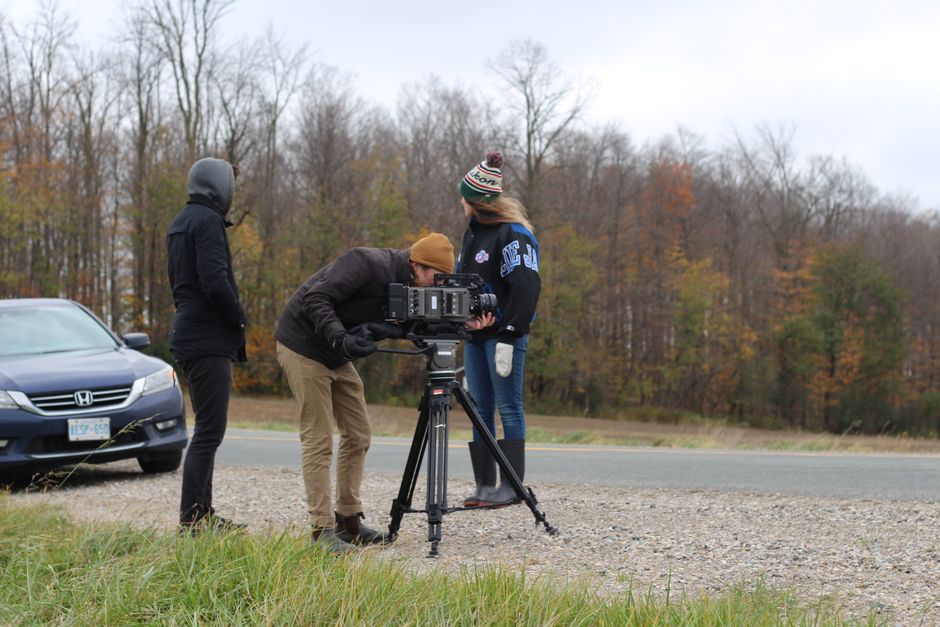
That distinction matters when discussing shift work health. IARC evaluates whether an exposure can cause cancer under some circumstances; it does not calculate an individual worker’s chance of getting cancer. For crew members, nurses, factory workers, transport staff, and everyone else whose job runs after dark, the practical questions are more specific: What kind of night schedule? How often does it change? How much recovery time is built in? And who is expected to absorb the strain when the schedule slips?
What the IARC 2007 Classification Means
IARC’s Group 2A category means “probably carcinogenic to humans.” It is a hazard classification, not a risk score. To put it plainly, it says that an agent or exposure may cause cancer, based on the evidence reviewed. It does not say how large the risk is for a particular person, what number of night shifts is safe, or that everyone with a night job faces the same exposure.
The IARC working group looked at human studies, animal research, and evidence about biological mechanisms. The human evidence available at the time was limited, including studies of breast cancer among women working nights. Animal evidence was stronger, and researchers also considered how disrupting the body’s day-night timing could affect processes relevant to cancer. The conclusion was not that shift work is equivalent to a known carcinogen in every respect. It was that the combined evidence supported a “probably” classification.
The phrase circadian disruption carcinogen can be useful shorthand, but it needs care. Shift work itself is not a single, uniform exposure, and the classification concerns shiftwork involving circadian disruption. A stable schedule, a rotating roster, a run of overnight calls, and a day worker repeatedly sent home late are not identical patterns. IARC’s finding also does not establish that every disrupted body clock leads to cancer.
How Night Work Can Disrupt the Body Clock
Circadian rhythms are roughly 24-hour biological cycles that help coordinate sleep and wakefulness, hormone release, body temperature, and other functions. Light is a major cue for the system. Staying awake under bright lights at night and trying to sleep during daylight can put a worker’s sleep-wake pattern out of step with the outside light-dark cycle. Frequent changes between day and night schedules can make that mismatch harder to manage.
Night work can also shorten sleep. A worker may finish a shift in the morning, face traffic or family responsibilities, then try to sleep while the neighborhood is active and the room is bright. That is not simply a question of willpower or “better sleep hygiene.” The conditions surrounding the worker—and the timing and length of the shift—matter. Sleep loss and circadian disruption are related, but they are not the same thing.
Researchers continue to study the possible pathways linking circadian disruption and cancer. The IARC classification should not be turned into a claim that a specific late call or individual schedule change causes cancer. It is a reason https://awardsradar.com/2026/09/24/night-shoots-what-working-until-sunrise-costs-a-film-crew/ to take the exposure seriously, improve how work is scheduled where possible, and keep following the evidence.
Real Night Versus Day-for-Night: A Film-Set History
Film crews have wrestled with the difference between night on screen and night on the clock for generations. In classic productions, a scene set after dark could often be shot in daylight using day-for-night techniques. Crews might underexpose the image, use filters, control the sky in the frame, and shape shadows to suggest moonlight. The method had limits: a bright sky, visible sunlight, or an actor’s shadow in the wrong direction could give the game away.
Day-for-night was partly an artistic workaround, but it could also be a scheduling choice. If a night exterior could be staged during the day, the production might avoid a full overnight call. That did not make it automatically safer or more efficient—daylight work still has its own demands, and a complicated setup can consume hours—but it shows that “night” on screen and night work in a worker’s body are different things.
Digital cameras and sensors expanded the options. Modern sensors can capture more detail in low light than many older film workflows could, and digital color grading gives filmmakers substantial control over contrast, color, and the appearance of darkness. That can make a genuine night aesthetic possible with less light on set in some situations. It does not mean every scene can be shot at night without substantial lighting, nor does it mean digital technology eliminates night calls. Production design, location, movement, focus, exposure, and the director’s visual choices all shape the plan.
The important labor point is easy to miss: a scene that looks dark may have been shot in daylight, while a scene that looks like soft moonlight may involve a large crew working through the actual night. The image does not reveal the call time, the number of consecutive nights, or how long the crew had to recover. A production that chooses real night for creative reasons should account for the human schedule behind that choice—not treat the crew’s biological clock as a free production resource.

Schedule Drift Across Night Blocks
On a production, the first night of a block may be planned carefully. The trouble often arrives later. A location move runs long; a scene needs another lighting adjustment; weather changes; a company move eats into the day. The call time then drifts, sometimes later, sometimes earlier, while the crew is still trying to sleep around the previous shift. A schedule that changes repeatedly can make it difficult to establish a predictable sleep window.
Hair and makeup often take a visible hit when calls move or when the workday is compressed. Their work may begin before the main crew call to prepare cast, and touch-ups continue while the camera team is working. If an overnight schedule is already tight, those earlier starts can quietly stretch the department’s day. The same applies to other departments whose labor begins before shooting or continues through wrap. “The crew” is not one clock: departments have different start times, workloads, and wrap responsibilities.
Planning a block of night work means looking beyond the posted call time. A useful schedule review should include the previous wrap, the next call, travel time, any required pre-call work, and the time workers realistically have to eat, commute, and sleep. A spreadsheet can show a nominal gap between shifts while concealing a much shorter window for recovery.
Questions worth asking about a night block
- Are call times stable across the block, or are they repeatedly moving earlier and later?
- Does the schedule account for prep or wrap work that happens outside the main crew call?
- Are company moves, meal timing, and travel included when estimating the actual workday?
- Who is responsible for raising a concern if a department is repeatedly starting early or wrapping late?
- Does the plan provide meaningful recovery time before the next call, rather than only a gap on paper?
Turnaround Is a Safety Protection
Turnaround is the time between the end of one work period and the start of the next. It is often discussed as a scheduling rule or contract term, but it has a practical safety purpose: workers need time to leave the workplace, get home, eat, manage responsibilities, and sleep before returning. The exact requirements can vary by agreement, employer, job, and jurisdiction, so workers should check the rules that apply to their situation rather than assume one number covers every production.
Turnaround is not a luxury or a reward for finishing early. It is one part of protecting workers from fatigue and the mistakes that can follow. For a camera crew, tiredness can affect judgment around equipment and movement. For grip and electric teams, physical work, cable runs, overhead equipment, and power considerations require attention. Assistant directors are managing timing and communication under pressure. Hair and makeup may have to arrive before the rest of the crew and remain through resets. Every department has its own risk profile.
A production can protect turnaround by building realistic shooting days, limiting last-minute schedule changes, and tracking the actual end of work—not just the time the last scene is called. If the plan depends on routine short turnarounds or on workers “making it work,” the schedule is shifting risk onto people with the least control over the clock. Fatigue is not proof of commitment, and an exhausted crew is not a production efficiency.
What Workers and Employers Can Do
No single scheduling tactic removes every health concern, and no blog post can replace medical advice or workplace-specific safety procedures. But concrete steps can make night work more manageable and make the real exposure easier to see:
- Track actual hours. Record start and finish times, pre-call work, travel between locations when relevant, and turnaround—not only the official call sheet.
- Reduce avoidable schedule changes. Where possible, keep night calls consistent across a block and avoid flipping workers between day and night schedules without recovery time.
- Plan for each department’s workload. Account for early hair and makeup calls, equipment prep, strike, and other work that can extend beyond the principal schedule.
- Use established reporting channels. Raise repeated fatigue or turnaround concerns with the appropriate supervisor, safety representative, union, or employer contact. For legal or contract questions, consult the relevant agreement or a qualified professional.
- Seek medical guidance for personal concerns. A clinician can help assess sleep difficulties, health history, and symptoms. IARC’s classification is not an individual diagnosis.
Supplements Are Not a Substitute for Safer Scheduling
People sometimes look for a product to make an overnight schedule easier. Joy Organics sells CBD gummies described as certified organic and publishes a batch report. Those are product details, not evidence that the gummies prevent cancer, correct circadian disruption, or make inadequate sleep safe. CBD can also have side effects and interact with medications; anyone considering it should discuss it with a health professional and check applicable workplace policies and local rules.
The central workplace question remains the schedule. A gummy, sleep mask, or carefully planned bedroom routine cannot create more turnaround after a long call. Individual choices may support comfort, but they should not be used to shift responsibility for hazardous scheduling from the employer to the worker.
The Bottom Line
According to the IARC 2007 classification, shiftwork involving circadian disruption is probably carcinogenic to humans (Group 2A). That is a hazard finding, not a prediction that a particular night worker will get cancer. The evidence points to a concern worth taking seriously, while the size of risk for any individual and the effects of different shift patterns remain more complicated questions.
For film and television crews, the contrast between real night and day-for-night is a reminder that screen darkness does not tell us how workers spent their night. Digital cameras and sensors can help create night aesthetics in low light, but they cannot guarantee that a production will avoid night calls. What can be planned is the schedule: track the actual hours, watch for drift across night blocks, and treat turnaround as a safety protection. That is not a promise of zero risk. It is a practical way to stop pretending the clock has no consequences.