How Do Venues Make It Easy to Switch Activities Mid-Night?
Gone are the days when a night out meant committing to a single activity—whether it was a dinner reservation, a movie, or heading to a bar. Today’s venues are designed to let groups flow seamlessly from one attraction to another, making the night dynamic and tailored to everyone’s interests. But how exactly do venues balance these multiple attractions to keep the night moving smoothly? In this detailed guide, we'll explore practical strategies venues use, including multiple attractions layout, scheduled events pacing, and the role of social spaces. Plus, we'll highlight common pitfalls like the surprisingly overlooked issue of not providing upfront pricing information.
All-in-One Venues: Replacing Single-Purpose Nights Out
Smart venues have shifted away from focusing on a single activity or demographic. Instead, they offer a mix of options under the same roof, encouraging guests to switch gears mid-evening without leaving the premises. Think of an entertainment complex where you can start with a gourmet dinner, catch a live show, and then hit a gaming lounge or cocktail bar—all without hunting for another venue.
This "multiple attractions layout" gives groups flexibility and freedom. For example, one person might want to linger over food while another prefers a high-energy DJ set or a comedy show. Some venues even design physical layouts that visually connect rooms, making transitions intuitive and inviting rather than disruptive.
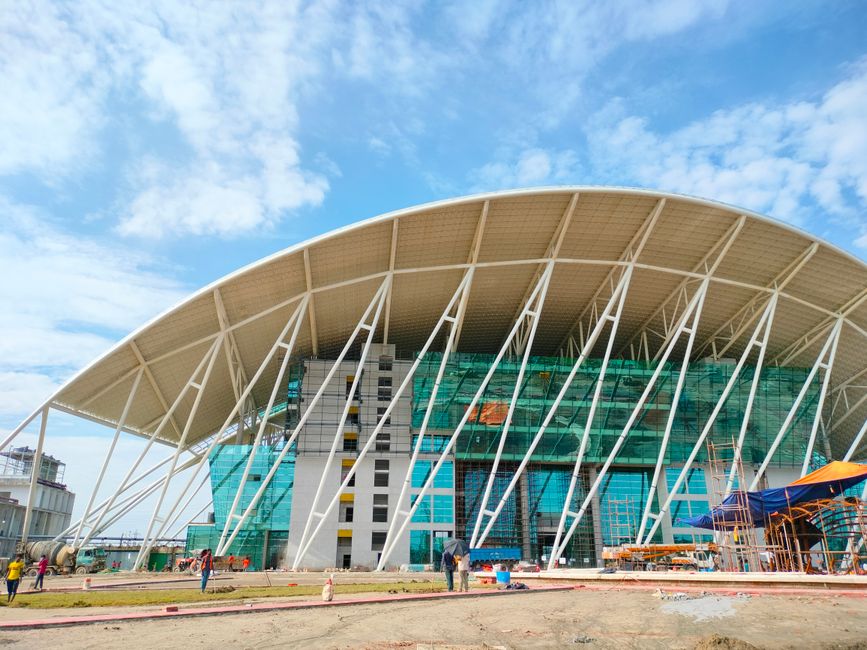
- Physical Design and Signage: Clear paths and signs help guests find their way between activities.
- Diverse Zones: Areas dedicated to dining, entertainment, and socializing—but all tied together visually and acoustically.
- Integrated Scheduling: Timed events designed not to overlap awkwardly but to flow into each other.
Example: Multiple Attractions Layout
Area Main Purpose Features That Encourage Switching Dining Room Meal service and relaxed socializing Visible stage for live acts; easy access to bar Live Performance Hall Concerts, comedy, etc. Located next to lounge area; timed shows Gaming Lounge Casual entertainment and competition Close proximity to social seating; flexible hours Social Spaces (lounges, bars) Catch-up spots and mingling Inviting decor; easy access from all zonesDining as a Destination, Not an Afterthought
Far too many venues treat dining like relatejokes.com an obligatory filler before or after the "real entertainment." But venues that want to promote mid-night activity switching put dining front and center. These spaces are designed to be attractive destinations on their own, with menus that keep groups interested and seating arrangements that encourage lingering or easy exits.
When dining is integrated with the rest of the experience, the transition to the next activity feels natural, not forced. For instance, seating near a stage lets diners enjoy music without committing to the full concert, and small plates or bar snacks cater to those wanting to eat without slowing down their night.
- Flexible dining options: From full meals to quick bites designed to accommodate different pacing.
- Ambience that invites both eating and socializing: Ambient music, adjustable lighting, comfortable seating arrangements.
- Proximity to other attractions: Dining close to stages, bars, or gaming areas reduces downtime switching activities.
Live Events: Sculpting the Evening’s Flow
Scheduled live events don’t just entertain; they guide how guests move through the venue. Intelligent scheduling of concerts, comedy sets, DJ performances, or interactive shows helps keep momentum going, making it easier and more appealing to switch activities.
Good venues avoid clashing events and orchestrate breaks that nudge guests toward other areas. For example, a 30-minute intermission after a theater show might encourage attendees to hit the bar or gaming lounge. Similarly, overlapping sets by DJs or jam bands in adjacent spaces can create a natural draw, enticing guests to explore and hop between experiences.
- Timely breaks: Scheduled pauses in programming designed to prompt movement.
- Complementary programming: Different events appealing to varied tastes but arranged to avoid competing directly.
- Promotion and reminders: On-site notifications or announcements informing guests of upcoming activities.
Scheduling Tips for Venues
- Space out headline events to avoid forcing guests to choose between competing highlights.
- Include shorter performances interspersed with longer sets to maintain energy variety.
- Use staffing and signage to guide traffic flow during transitions.
Social Spaces: The Glue for Mixed-Interest Groups
One of the biggest challenges of a night out is managing groups with varied interests. Some want to dance, others prefer chatting over drinks, while a few might opt for gaming or catching some live comedy. This is where dedicated social spaces—lounges, bars, communal seating areas—become crucial.
These areas function as hubs where everyone can regroup, relax, and decide what’s next. Well-designed social spaces include flexible seating, approachable bar service, and an ambience that suits low-key catching up as well as the build-up to more energetic activities.
- Neutral territory: Spaces where guests feel comfortable regardless of preferred activity.
- Versatile seating: Arrangements that accommodate both large groups and intimate conversations.
- Proximity and sightlines: Positioned strategically so guests can watch or listen to nearby events.
A Common Venue Mistake: No Prices Provided
Venues often get caught up in promoting “multiple attractions” without clearly showing prices for each activity. This irritates potential guests and complicates planning, especially for groups working within budgets.
Transparent, upfront pricing is critical for encouraging mid-night activity switching because it lets guests anticipate costs and reduces friction when deciding what to do next.
- Clearly list prices for dining, entertainment tickets, and gaming or activity fees on the venue’s website and app.
- Bundle pricing or “switch pass” options: Offer discounts for guests who move between different activities within the same night.
- Real-time updates: Use digital displays or app notifications to inform guests of current pricing and deals.
Not including prices often leads to frustration or abandoned plans—no one wants to discover surprise fees mid-night or guess what an activity costs. Venues that tackle this head-on usually see more successful activity switching and happier guests overall.
Smart Sharing Tools to Extend the Night
Today’s night out often continues online—sharing experiences, coordinating plans, or building anticipation for “what’s next.” Venues are integrating tools like Facebook and X (formerly Twitter) share links directly into event pages, menus, and live schedules. This helps groups spread the word quickly and plan real-time activity switches.
- Facebook Share Links: Guests can post upcoming events, live performances, or special menus to their networks, encouraging friends to join spontaneously or plan follow-up visits.
- X (Twitter) Share Links: These enable instant sharing of time-sensitive promotions, live show announcements, or gaming leaderboards, offering an interactive way to engage the crowd and boost activity changes.
By embracing social sharing as part of the venue experience, operators can amplify transitions—making switching feel like a social event itself, not just a logistical step.
In Summary: How Venues Make Switching Activities Seamless
To successfully enable mid-night activity switching, venues must:

- Design spaces with multiple attractions layout that encourages smooth navigation.
- Elevate dining as a destination with flexible seating and menus.
- Schedule live events strategically to shape natural transitions.
- Create sociable, flexible social spaces that accommodate diverse group dynamics.
- Provide clear, upfront pricing to remove barriers to participation.
- Leverage social sharing tools like Facebook and X links to extend the conversation and coordinate next moves.
When these elements come together, a venue doesn’t just host a night out—it orchestrates an experience where switching between activities is effortless, exciting, and inclusive for everyone.