Game Audio Mixing Tips That Actually Help Clarity
Mixing audio for games is a unique challenge. Unlike traditional music where the listener’s experience is mostly linear and predictable, game audio exists in dynamic, interactive contexts. Balancing multiple layers of sound, providing clear, recognisable cues, and crafting space in the mix are crucial for creating an immersive yet understandable soundscape. In this article, we explore practical game audio mixing tips focused on improving clarity, referencing tools like MrQ, a leading example of a dense audio environment seen in casino slots.
Understanding Interactive vs Linear Composition
One of the first things to grasp is how game audio differs in structure from traditional linear music. Where a song or film score plays from start to finish, game audio must adapt to player actions, meaning sounds and music layers are frequently triggered, looped, or altered in real-time.
Linear Composition
Linear composition follows a fixed timeline, with controlled crescendo, breakdowns, and transitions. The mixing approach here is familiar: you design your frequency balance and dynamic changes knowing exactly when and how sounds will be heard.
Interactive Composition
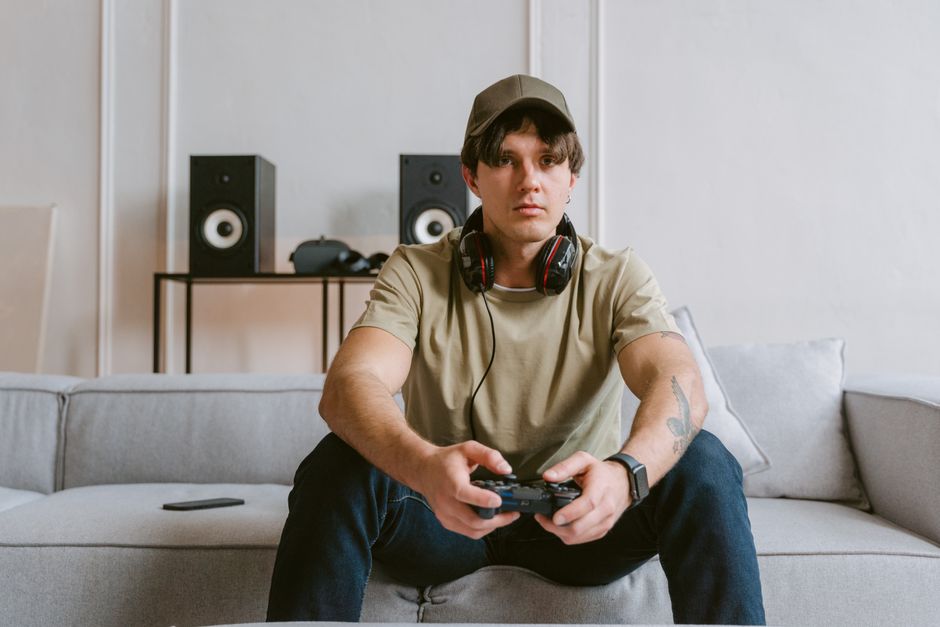
In games, especially in titles like MrQ casino slots, audio elements may play in dynamic music system unpredictable sequences and overlap constantly. This demands a mixing approach that preserves clarity and balance regardless of what plays when. You must anticipate all possible audio combinations, avoid masking, and ensure critical cues remain audible amidst the sound complexity.
Mixing Tips for Balance and Space in the Mix
Creating space in a dense mix is both an art and a technical exercise. When multiple layers interact, your goal is to give each sound its own place in the stereo field and frequency spectrum so that nothing feels cluttered.
1. Prioritise Recognisable Cues
In game audio, certain sounds act as signals to the player. For example, UI feedback clicks, reward fanfares, or hazard warnings need to cut through the mix clearly.
- Use frequency carving: Use parametric EQ to carve out space around important cues. For example, if a UI click sits around 2-4 kHz, reduce competing sounds in that range.
- Volume automation and sidechain: Duck music or background layers momentarily to make cues pop without abrupt cuts.
2. Carefully Design Loops to Avoid Fatigue
Loops are fundamental in game audio but can cause listener fatigue if poorly designed. Loops should be engaging enough to avoid repetition annoyance but simple enough to leave space for other sounds.
- Use seamless transitions: Ensure your loop points are free of clicks and unnatural repetition.
- Vary layers over time: Introduce subtle variations or optional layers that can come in and out to keep the sound evolving.
- Keep loops texturally lighter: Busy loops like those found in casino slots require careful frequency balance to avoid overwhelming the player.
3. Use Stereo Field and Panning Creatively
Space is not just about frequency — spreading sounds in the left-right field can make a huge difference:
- Place main UI or cue sounds near the centre for focus.
- Ambience and music can occupy wider stereo spaces.
- Use subtle automation for panning to create movement and avoid static stereo imaging.
Micro-Cues and UI Feedback: Small Sounds with Big Impact
Small, fast micro-cues such as button clicks, blips, and success tones amplify player interaction and result in a more responsive interface. The challenge? Ensuring these small sounds are heard without being irritating or lost.
Design Considerations
- Short and snappy: Micro-cues should be concise and avoid overlapping unnecessary reverb or delay effects that cause smearing.
- Frequency distinctiveness: Ensure these cues occupy a separate frequency region from background sounds.
- Volume consistency: Keep the dynamic range tight so that all players hear the cue clearly at any volume setting.
Integration with Music and Ambiance
Micro-cues often sit alongside continuously playing music and ambiences. To maintain clarity:
- Use subtle sidechain compression or transient shaping to make micro-cues punch through the mix.
- Design the background audio to have moments of reduced energy when UI interactions typically occur.
What We Can Learn From Casino Slots Audio Environments Like MrQ
Casino slots such as those found on MrQ present some of https://dlf-ne.org/how-loud-should-ui-sounds-be-compared-to-music-exploring-mix-balance-and-audio-hierarchy/ the densest and most challenging audio environments in gaming. They layer crowd ambience, mechanical sounds, musical stingers, reward cues, and UI feedback all at once — often in rapid-fire sequences.
Key Lessons
Challenge Audio Solution Mixing Tip Overlapping multiple reward and UI cues Prioritise key sounds and duck secondary layers Use dynamic sidechain compression triggered by priority audio Mixing dense music with mechanical slot sounds Separate frequency ranges using EQ Create frequency carve-outs around mechanical sounds (e.g., clicks, spins) Preventing listener fatigue from continuous loops Layer variations and intermittent breaks Implement intelligent layering and slight randomness in loop playback Maintaining clarity in a noisy environment Use spatial panning and reverb depth effectively Keep priority cues dry and centred; send ambience further back with reverbSummary: Practical Steps for Clear Game Audio Mixing
- Identify priority audio elements. Recognise which cues are essential for gameplay and give them sonic space using EQ and volume control.
- Design loops carefully. Avoid fatigue by creating seamless, evolving loops that leave space for other sounds.
- Use stereo field thoughtfully. Employ panning and depth to separate layers and prevent masking.
- Craft sharp, recognisable micro-cues. Keep UI sounds brief, frequency distinct and dynamically controlled.
- Test mixes in context. Always audition your mix in-game, in different states (action, quiet, UI-heavy) to ensure clarity holds up.
By applying these techniques, inspired by complex audio systems like those seen in MrQ slots, you can create game audio mixes that not only sound great but communicate clearly with the player—boosting immersion and gameplay experience simultaneously.
Remember: clarity in game audio is about balance, space in the mix, and ensuring recognisable cues emerge effortlessly from the sonic landscape.