Are Casino Game Show Adaptations Basically the Same as the TV Format?
A familiar buzzer, a row of bright answer panels, a host calling for the next contestant: sometimes a game’s identity comes through before anyone explains the rules. That recognition is part of the appeal of turning a television game show into a casino-style game. But recognizable does not mean identical. A screen-based adaptation can borrow a show’s look and rhythm while changing how people play, what they can control, and what determines the result.
The short answer is no: casino game show adaptations are not basically the same as their TV formats. They may share props, catchphrases, music, or a central game mechanic, but they are built for a different purpose and often a different kind of participation. Understanding the difference means looking beyond the familiar set dressing to the rules, the pace, the role of the player, and the relationship between presentation and outcomes.
What makes a television game show feel like itself?
A TV format is more than a collection of rules. It is a repeatable structure animation timing in games shaped for viewers: contestants face a challenge, a host explains what is at stake, and the audience follows the action toward a result. A successful show also gives viewers reasons to anticipate what might happen next. They may play along from the sofa, debate a contestant’s choice, or recognize a signature prop before the round begins.
That format has to work for people watching together or at home. Its rules can unfold over several minutes, with explanations, contestant reactions, and pauses for suspense. The audience is not necessarily making a wager or choosing an action at every step. Often, participation means answering along with the contestants or guessing what they will do.
A casino-style adaptation has a narrower practical challenge. It must make its central action clear on a screen, often in a short session, and present the rules before or during play. The player typically interacts directly with the game rather than watching contestants take turns. That changes the experience even when the visuals are instantly recognizable.
Simplicity of rules: the format has to travel
Television can introduce a complicated game gradually. A host can explain a rule, demonstrate it with a contestant, and clarify an exception as it comes up. A digital adaptation has less room for that kind of teaching. It needs to communicate the basic action quickly enough that a new player understands what they are being asked to do.
This is why simplicity of rules matters so much. An adaptation may keep the central idea of a show—guessing, selecting, matching, spinning, or answering—but streamline the process around it. A TV round that depends on several contestants, a judging panel, or a sequence of strategic choices may become a more direct tap-and-result interaction on a phone.
That simplification is not automatically a flaw. It can make a game easier to learn and more convenient to play. But it can also remove the decisions that made the original show interesting. If the television format asks contestants to weigh options, explain their thinking, and react to one another, a version that reduces everything to a single selection may preserve the theme while losing much of the format’s strategic texture.
Before playing, it helps to ask a few basic questions:
- What action does the player take in each round?
- Which choices, if any, can change the result?
- Does the game explain its rules before a wager is made?
- Are bonus features part of the core game or optional additions?
- What is the relationship between the displayed result and any potential payout?
Those questions are more useful than judging a game by its title or theme. A familiar name may signal a licensed or inspired presentation, but it does not tell a player exactly how the digital version works.
Audience participation and instant comprehension
Television game shows are designed to be watched as well as played. That dual purpose creates a special kind of participation: viewers can join in mentally without being part of the official contest. They can call out an answer, predict a reveal, or imagine how they would handle a contestant’s dilemma. The show gives them enough time and context to follow along.
A casino-style game usually changes the audience member into the active player. Instead of responding from the sofa, the person makes an https://highstylife.com/my-game-show-app-feels-slow-what-pacing-changes-help/ input on a device. The experience needs instant comprehension: the player should be able to tell what is happening, what action is available, and whether the game is waiting for a decision or showing an outcome.
Phone screen constraints are a major reason adaptations can feel different. A television studio has space for a large board, a host, contestants, and an audience. A mobile interface may have only a small display, a few buttons, and limited room for explanatory text. Designers have to choose which elements carry the most meaning. A recognizable symbol or a short label may replace a longer explanation that would fit naturally into a broadcast.
That compactness can make a game feel brisk and accessible. It can also make the experience harder to understand if important information is tucked into menus, small print, or a rules page that players skip. Good design makes the main action obvious without implying that the player has more influence over an outcome than they actually do.

Props, animation, and sound cues: recognition in a new setting
Format recognition is one of the strongest tools an adaptation can use. A distinctive podium, wheel, board, envelope, or countdown can evoke the TV show immediately. Even a familiar color scheme can do some of the work. Props and cues tell returning fans, “You know this world,” before the game has explained its mechanics.
Animation and sound cues help reinforce that recognition. A rising tone can build anticipation; a reveal animation can make a result feel dramatic; a buzzer or celebratory sting can suggest a familiar television moment. These signals are part of presentation, not proof that the underlying game works like the broadcast. The same sound can accompany very different rules and systems.
That distinction matters because sensory design affects how people interpret an experience. A dramatic pause may make a result feel suspenseful, while flashing lights can make a feature seem especially important. Those effects can be enjoyable, but they should not substitute for clear information about the game’s mechanics. Players should be able to separate the thrill of a reveal from the question of what actually determines that reveal.
In other words, props and cues can preserve the atmosphere of a show while the game itself changes substantially. The more an adaptation leans on familiar presentation, the more important it is for the rules and terms to be easy to find.
Adaptation versus replication
Replication would mean reproducing the TV experience as closely as possible: similar pacing, the same kinds of decisions, comparable roles for contestants, and a similar path to a result. That is a difficult goal for a casino-style game because the original format may rely on people, live timing, studio production, or audience reactions that cannot simply be copied into a mobile interface.
Adaptation is more practical. It takes selected ingredients—perhaps the theme, a familiar object, or the broad idea behind a round—and reshapes them for another medium. A television show might build suspense through a host’s delivery and a contestant’s deliberation. A digital version may use animation, a progress meter, or a short sequence of button presses. The feeling may be related, but the experience is not a replay of the broadcast.
Element Typical TV format Casino-style adaptation Participant Contestants compete while viewers follow along The player interacts directly with the game Pacing Set by hosting, conversation, and broadcast structure Often condensed into shorter digital rounds Recognition Studio, host, props, and show traditions Interface, graphics, animation, and sound cues Decision-making May involve judgment, strategy, or contestant interaction Depends on the individual game’s rules and design Outcome Produced as part of a broadcast contest Governed by the digital game’s own mechanics and termsThe table describes broad differences, not a guarantee about every game. There's more to it than that. Some adaptations preserve more of a show’s decision-making than others. The important point is to evaluate the actual product rather than assume that a recognizable format means the same rules or the same player role.
Presentation versus outcomes
Presentation versus outcomes is the key distinction for anyone comparing a TV show with a casino game. Presentation includes the theme, characters, graphics, music, pacing, and emotional tone. Outcomes concern how the game determines a result, what choices the player can make, and how any prize or payout is calculated.
A television contestant’s result is part of a produced contest with its own rules. A casino-style adaptation has its own mechanics and should be understood on those terms. The show’s atmosphere cannot, by itself, tell a player how likely a particular result is. Nor does a dramatic animation mean a result was caused by the player’s timing or skill. Those details depend on the specific game, its published rules, and its applicable terms.
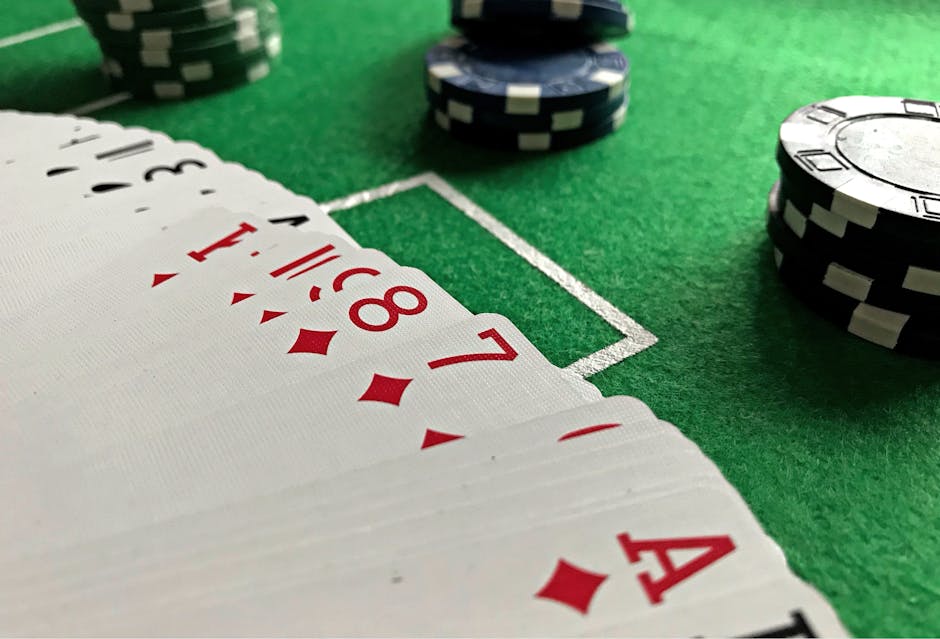
That is where casino probabilities become relevant. Players should look for accessible information about the game’s odds or other probability disclosures where provided, and should not infer probabilities from how often a feature appears in a short session. A sequence of exciting wins on screen does not establish what is likely over time. Pretty simple.. Equally, a familiar TV game mechanic does not make the digital outcome predictable.
Wagering costs deserve the same attention. A player should know the amount staked on each round, whether settings can change the stake, and how any bonus or optional feature affects the total. It is sensible to set a budget before play and treat the game as entertainment rather than as a way to earn money. If the rules or costs are unclear, pausing to read them is better than relying on a show’s familiar branding.
How to assess an adaptation before playing
Readers comparing different products—including games encountered through a platform such as MrQ Casino—can use a simple checklist. The platform name or a TV-inspired theme does not replace checking the individual game’s rules and conditions. Likewise, entertainment coverage from outlets such as Leisurebyte can help readers follow the wider conversation about formats and digital spin-offs, while reporting from the Associated Press can provide broader context on the entertainment industry. Neither a familiar brand nor a media mention answers the practical questions about a particular game’s mechanics.
- Identify what is borrowed. Is the game using the show’s name, visual style, central mechanic, or all three?
- Read the rules before wagering. Confirm the available actions, how a round ends, and how results are determined.
- Check the costs. Understand the stake per play and how any feature or setting might affect it.
- Look beyond the show-like effects. Treat music, animation, and familiar props as presentation unless the rules say they affect play.
- Consider the device. On a phone, check whether key instructions and controls are easy to see and use.
So, are they basically the same?
They are related, but not basically the same. A casino game show adaptation can carry a TV format’s visual identity and borrow its central idea, while changing the pace, the player’s role, the decisions involved, and the way results are produced. Sometimes it functions as a compact tribute to the show. Sometimes the connection is mostly a matter of theme and presentation.
The best way to judge one is to separate what feels familiar from what the rules actually say. Simplicity can make a digital game easier to pick up, audience participation can become direct interaction, and props or cues can make the format recognizable. But none of those features guarantees a faithful recreation of the television experience. The adaptation may echo the show without replicating it—and understanding that difference makes the game easier to assess on its own terms.